The first cold, wet weeks of fall are when many Portland homeowners notice their windows. There is a chill near the glass or a draft along the sash. If you live in an older home with original wood windows, a well-fitted storm window can improve comfort while keeping the windows and the character of the house intact.
What a storm window does
An exterior storm window is a second layer of glass mounted outside your existing window. The air space between the two layers helps reduce heat loss, and a properly fitted storm can reduce air leakage and some outside noise. It also provides an additional barrier against rain and weather.
Your original windows remain in place. Storm windows add protection, but they do not replace repairs to deteriorated frames or sash.
Why wood?
For an older home, the proportions, frame details and finish can matter as much as the added protection. Custom wood storm windows are built for your openings and can be finished to coordinate with your existing windows and trim.
Discuss wood species and finish options with us when requesting a quote, including whether Accoya is appropriate for your project. The right choice depends on exposure, appearance and maintenance plans.
Glass storm or storm-screen combination?
Two options are worth discussing:
- Glass storms add a glazed outer layer for protection during cold weather.
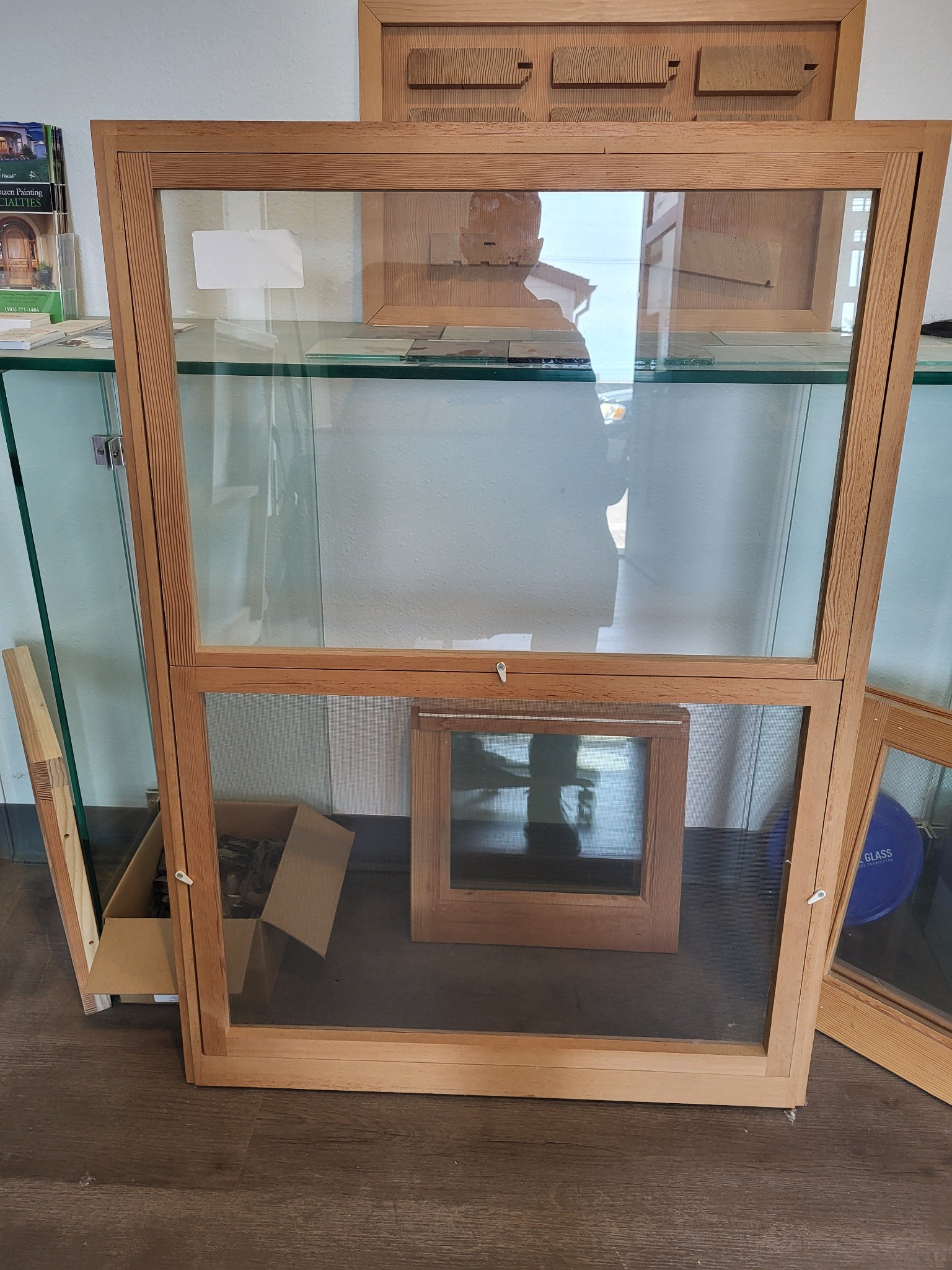
- Storm-screen combinations provide glass and screen options so you can plan for winter protection and warm-weather ventilation.
If you open your windows often in summer, a combination is worth considering. Before ordering, confirm how the proposed glass and screen panels operate or are changed, how they are secured and whether any removed panels need storage.
Why order in fall
Custom storm windows need time to be measured, built, finished and installed. Starting in fall gives you more time to work through those details before winter weather arrives.
Contact us for current production lead times and tell us when you hope to have the storms installed. Timing depends on the order, the shop schedule and your installer's availability.
What to know before ordering
- Measurements matter. Storms are built to fit the exterior opening. Send approximate measurements for an initial quote, then have final fabrication dimensions confirmed with your installer before ordering.
- Installation. We build the storms; installation is handled by your contractor, carpenter or window installer. Ask us about installer referrals in your area and discuss mounting details before fabrication.
- Ventilation and drainage. The installation needs a way for moisture to escape to the outside. Discuss these details with your installer and follow the instructions for the supplied unit. Do not seal intended drainage or ventilation openings.
- Finish. Tell us whether you want a painted or stained appearance, and confirm who will handle finishing before installation. Exterior wood needs an appropriate protective finish and ongoing maintenance.
If you already see condensation, have the cause checked rather than assuming a storm will solve it. Indoor humidity, air leakage and the installation details can all affect moisture between the windows.
Older paint
If your home was built before 1978, the paint on existing windows and trim may contain lead. Make sure whoever installs the storms follows lead-safe practices, particularly if they will be disturbing old paint.